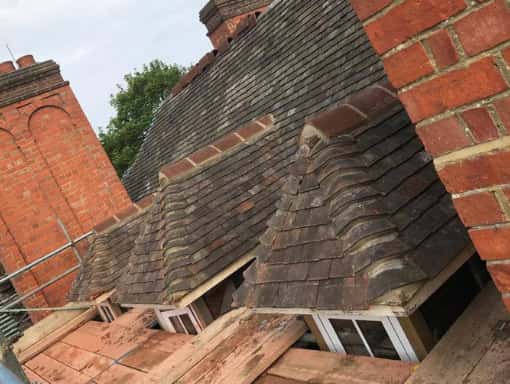
When a roofing problem appears, one of the most important questions is not simply how to fix it, but how much work the roof genuinely requires. A slipped tile may only need a straightforward repair, while widespread deterioration could indicate that more comprehensive roofing work is appropriate. Choosing correctly depends on the condition of the roof as a whole rather than the appearance of one visible defect.
For homeowners in Hastings, East Sussex, understanding the difference between repairing, re-roofing and replacing a roof can make it easier to recognise why a professional assessment is so important. The objective should always be to carry out proportionate work that restores dependable protection without overlooking wider deterioration.
Start With the Condition of the Whole Roof
Visible damage does not always tell the complete story.
A leak might originate from one defective piece of flashing, while several recurring leaks could indicate deterioration across a much larger section. Similarly, a few damaged tiles do not necessarily mean an ageing roof has reached the end of its useful life.
A proper roof assessment should consider:
- The condition of tiles or slates
- Previous repair areas
- Roofing underlay
- Battens where accessible
- Ridge and verge details
- Flashing and roof junctions
- Signs of water ingress
- Overall structural condition
Only after these elements have been considered can the most appropriate approach be identified.
When Is a Roof Repair Usually Enough?
Repairing the existing roof is generally appropriate when the underlying roofing system remains sound and the problem is localised.
Typical examples can include:
- Individual slipped tiles
- A small number of cracked tiles
- Localised flashing defects
- Minor ridge or verge deterioration
- Isolated storm damage
- A leak with a clearly identifiable cause
In these circumstances, removing a much larger section of otherwise serviceable roofing would usually be unnecessary.
Quality repairs should address the cause of the problem rather than merely hiding its visible symptoms.
The Importance of Targeted Roof Repairs
A targeted repair can do much more than stop an immediate leak. When carried out at the right stage, it can prevent water from reaching the underlying components and help preserve the wider roof.
This is why delaying relatively minor roofing work can be problematic. A small opening that initially affects only the outer covering can eventually allow moisture to reach underlay, battens and timber.
Early intervention often preserves more of the existing roofing system.
When Should Re-Roofing Be Considered?
Re-roofing becomes more relevant when deterioration is no longer confined to one small area.
The term is commonly used for work involving removal and renewal of the existing roof covering, allowing the materials beneath to be inspected and renewed where necessary.
It may be appropriate where there are:
- Numerous failing tiles or slates
- Recurring defects across the roof
- Deteriorated underlay
- Problems with battens
- Multiple previous repair areas
- Widespread weathering
Rather than continuing to repair one weakness after another, re-roofing allows the affected roofing system to be dealt with comprehensively.
Why Access Beneath the Covering Matters
One of the major advantages of re-roofing is that removing the existing covering reveals areas that normally remain hidden.
A roof may contain deterioration that cannot be fully assessed from outside. Once tiles or slates are removed, the condition of the supporting materials can be examined properly.
This allows unsuitable components to be addressed before the new covering is installed, helping ensure the finished roof is supported by a suitable underlying system.
When Does Full Roof Replacement Make Sense?
Where deterioration extends beyond the roof covering into more substantial elements of the construction, replacement may require a broader scope of work.
This can become necessary where there is significant structural deterioration, extensive long-term water damage or widespread failure affecting several parts of the roofing system.
Warning signs deserving thorough investigation include:
- Noticeable roof sagging
- Extensive timber deterioration
- Persistent water ingress
- Widespread material failure
- Significant distortion
- Numerous interconnected roofing defects
These symptoms do not automatically confirm that complete replacement is required, but they do indicate that isolated repairs alone may not be sufficient.
Age Alone Should Not Determine the Decision
An older roof does not automatically need replacing.
Some mature roofing systems remain serviceable because they have been well maintained, while a newer roof can experience significant problems if materials or workmanship have failed.
The decision should therefore be based on actual condition rather than age alone.
An assessment should ask whether the existing materials remain capable of providing dependable protection and whether any deterioration can still be addressed effectively through repair.
Look at the Pattern of Previous Repairs
A roof’s repair history can provide useful clues about its overall condition.
An occasional repair over many years is very different from repeatedly dealing with new problems every few months. If defects continue appearing across different parts of the roof, the pattern may indicate that the materials are deteriorating more generally.
Questions worth considering include:
- Are leaks becoming more frequent?
- Are different sections now requiring attention?
- Are previous repairs still performing well?
- Is the surrounding original material deteriorating?
- Is maintenance becoming increasingly extensive?
Looking at the pattern rather than one individual defect provides a much clearer picture.
Recurring Leaks Need Proper Investigation
Repeatedly treating internal damp patches without locating the actual point of water entry is unlikely to provide a dependable solution.
Water can travel beneath roofing materials before appearing inside a property, meaning the visible stain may be some distance from the original defect.
Professional investigation aims to identify why the roof is leaking and whether the problem is isolated or part of wider deterioration.
Don’t Assume the Most Extensive Work Is Always Best
Professional roofing advice should be proportionate.
If a roof remains fundamentally sound, a targeted repair may provide exactly what is required. Re-roofing an otherwise serviceable roof simply because one tile has failed would not represent sensible roof management.
Equally, continuing to patch a roof experiencing widespread deterioration can postpone rather than solve the underlying problem.
The correct solution lies in accurately understanding the roof’s condition.
Signs That a Broader Roofing Assessment Is Needed
Homeowners should consider having the entire roof assessed when they notice a combination of problems rather than one isolated defect.
These may include:
- Several leaks developing over time
- Increasing numbers of damaged tiles
- Extensive weathering
- Frequent movement of roofing materials
- Multiple historic repair areas
- Deterioration around several roof junctions
- Visible changes to the roofline
At this point, looking at each problem independently may no longer provide enough information.
Why Professional Diagnosis Matters
Repair, re-roofing and replacement are not interchangeable solutions. Each addresses a different level of roofing deterioration.
At Hastings Roofing Services, we provide professional roofing assessments and repair services throughout Hastings, East Sussex. Our approach is to establish the cause and extent of the problem before recommending suitable work.
Where a localised repair can restore reliable performance, unnecessary wider work should not be required. Where deterioration has become extensive, a more comprehensive roofing solution can be considered based on the actual condition of the property.
A Proactive Approach Can Preserve More of Your Roof
Many roofs reach the stage of requiring extensive work because earlier defects were allowed to continue developing.
Keeping an eye on the condition of your roof and arranging professional attention when problems first appear can help prevent avoidable deterioration.
Useful warning signs include slipped tiles, new water staining, deteriorating mortar, damaged flashing and changes following severe weather.
The earlier the underlying cause is identified, the more options may remain available.
Conclusion
Deciding whether to repair, re-roof or replace a roof should never be based on guesswork. A localised defect on an otherwise healthy roof may require nothing more than a professional repair, while repeated failures, widespread material deterioration or significant underlying damage may justify a more comprehensive approach.
The most important factor is the condition of the roofing system as a whole.
For homeowners in Hastings, East Sussex, Hastings Roofing Services can assess the extent and cause of roofing deterioration and recommend an appropriate way forward. Whether your property requires a targeted repair or more extensive roofing work, a thorough professional assessment helps ensure the solution matches what your roof actually needs.
Call us on: 01424 619095
Click here to find out more about Hastings Roofing Services
Click here to complete our contact form and see how we can help with your roofing needs.